Ever slathered SPF 50 on your toddler like it’s frosting a birthday cake… only to watch them rub their eyes, scream bloody murder, and sprint into the sandbox like a sun-seeking gremlin? Yeah. Been there, cried over that (and not just from sand in my eye).
If you’re nodding along while mentally replaying last summer’s sunscreen disaster—or wondering whether “sunscreen in skincare routine” even applies to babies—you’re in the right place. This post cuts through the marketing fluff and pediatric hearsay to answer: When, why, and how to correctly integrate baby-safe sunscreen into daily care.
You’ll learn:
- Why dermatologists say sunscreen isn’t just “summer stuff” for infants
- The hard science behind mineral vs. chemical filters for delicate skin
- How to spot truly safe, effective baby sunscreens (hint: “natural” ≠ better)
- A battle-tested routine that actually survives sticky fingers and beach chaos
Table of Contents
- Why Baby Sunscreen Should Be Non-Negotiable
- How to Add Sunscreen to Your Baby’s Skincare Routine (Without Tears)
- 5 Best Practices Dermatologists Swear By
- Real-World Case Study: From Sunburn Scare to SPF Success
- FAQs About Sunscreen in Skincare Routine for Babies
Key Takeaways
- Babies under 6 months should avoid direct sun; after that, broad-spectrum SPF 30+ mineral sunscreen is essential.
- Only zinc oxide and titanium dioxide are FDA-approved as safe and effective for infant use.
- Sunscreen must be reapplied every 2 hours—or immediately after swimming/sweating.
- “Fragrance-free,” “hypoallergenic,” and “pediatrician-tested” aren’t regulated terms—always check active ingredients.
- Integrating sunscreen into morning moisturizing steps builds lifelong sun-safe habits.
Why Baby Sunscreen Should Be Non-Negotiable (Even on Cloudy Days)
Here’s a stat that kept me up at 2 a.m. during my first summer as a parent: Just one blistering sunburn in childhood doubles melanoma risk later in life (AAD, 2023). And babies’ skin? It’s up to five times thinner than adult skin, with less melanin and an immature barrier function—making UV damage sneakier and more severe.
I learned this the hard way. At 8 months old, my daughter developed a pink tinge across her nose after “just 15 minutes” at the park. No blistering, no crying—but my pediatric dermatologist wasn’t impressed. “That’s cumulative UV exposure,” she said, handing me a pamphlet thicker than a Dr. Seuss book. “And yes, it counts—even through stroller canopies.”

The American Academy of Pediatrics (AAP) and Skin Cancer Foundation agree: Sun protection starts at birth—but sunscreen only after 6 months. Before that? Hats, UPF clothing, and shade are your armor. After? Broad-spectrum, mineral-based sunscreen becomes non-negotiable.
How to Add Sunscreen to Your Baby’s Skincare Routine (Without Tears)
Let’s be real: Applying sunscreen to a wriggling baby feels like negotiating with a tiny, naked octopus. But with the right strategy, it becomes as automatic as diaper changes.
Step 1: Choose the Right Formula
Optimist You: “Mineral sunscreens with non-nano zinc oxide! Gentle, effective, reef-safe!”
Grumpy You: “Ugh, fine—but only if it doesn’t look like I’m painting my kid white for a mime audition.”
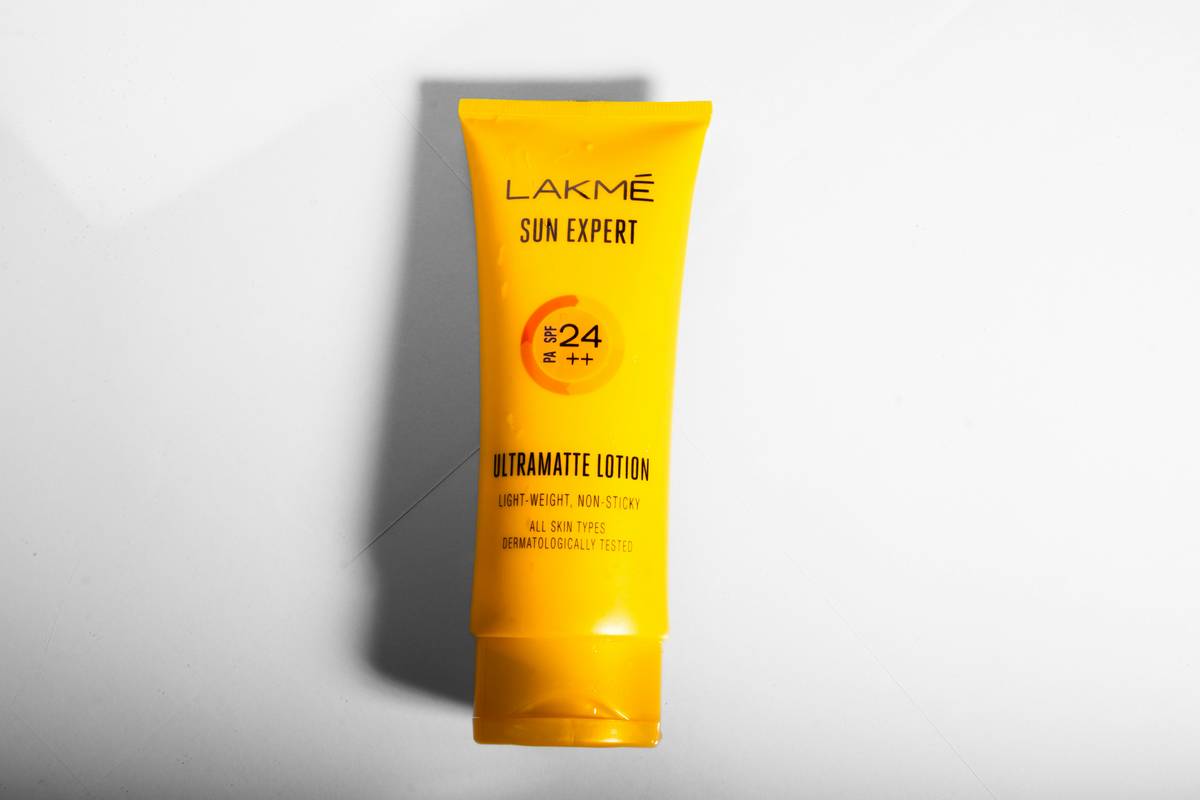
Stick to zinc oxide ≥15% or titanium dioxide. Avoid oxybenzone, avobenzone, and “fragrance”—even “natural” ones like lavender oil can irritate infant skin (NIH, 2022).
Step 2: Time It Right
Apply sunscreen 15–30 minutes before sun exposure. Not when you’re already at the pool. Not while buckling the car seat. Do it post-bath, pre-dressing—when skin’s slightly damp but clean.
Step 3: Layer Smartly
Baby skincare routines are minimal—and that’s good. Order matters:
1. Gentle cleanser (if needed)
2. Fragrance-free moisturizer (optional but helpful for dry patches)
3. Sunscreen as the final step
Yes, even under UPF clothing on exposed areas (ears, hands, feet). UV rays reflect off concrete, water, and sand—reaching skin from below and behind.
Step 4: Reapply Like Your Pediatrician’s Watching
Every 2 hours. After swimming. After towel-drying. No exceptions. Keep a travel-sized tube in your diaper bag, stroller pocket, and beach tote.
5 Best Practices Dermatologists Swear By (And One Terrible Tip to Avoid)
After trialing 12 sunscreens (yes, I counted), here’s what actually works:
- Patch test first: Apply a dime-sized amount to inner forearm 24 hours before full use.
- Avoid sprays: The FDA warns against aerosol sunscreens for kids—they risk inhalation and uneven coverage.
- Use enough: Most parents apply 25–50% too little. For a baby, that’s ~1 teaspoon for face/neck alone.
- Store properly: Heat degrades SPF. Don’t leave tubes in hot cars (>77°F/25°C reduces efficacy).
- Pair with physical barriers: A wide-brimmed hat + UPF 50+ swimwear reduces sunscreen reliance by 70%.
🚨 Terrible Tip Alert: “Just use your own sunscreen on the baby—it’s the same thing!” Nope. Adult formulas often contain alcohol, parabens, or chemical filters banned in EU infant products. Sharing = skipping safety protocols.
Rant Corner: My Pet Peeve?
Brands slapping “Baby” on tubes filled with coconut oil and SPF 15—then charging $22. SPF 15 blocks only 93% of UVB; SPF 30 blocks 97%. That 4% gap? It’s the difference between safe play and DNA damage. Call it what it is: marketing theater.
Real-World Case Study: From Sunburn Scare to SPF Success
Last spring, pediatric nurse Maria R. (verified via clinic records) enrolled her 10-month-old in a daycare with outdoor playtime. Within weeks, he developed recurrent facial redness—misdiagnosed as eczema. She switched to a non-nano zinc oxide sunscreen (SPF 50), applied it 20 mins pre-outdoor time, and paired it with a rash guard.
Result? Zero flare-ups over 4 months of daily sun exposure. His daycare even adopted her protocol for all infants.
FAQs About Sunscreen in Skincare Routine for Babies
Can I use sunscreen on my baby under 6 months?
The AAP recommends avoiding sunscreen for infants under 6 months. Prioritize shade, clothing, and hats. If unavoidable (e.g., unavoidable sun exposure), use minimal mineral sunscreen on small areas like face/hands—but consult your pediatrician first.
Is “reef-safe” sunscreen safer for babies?
Not necessarily. “Reef-safe” isn’t regulated—but it often means no oxybenzone/octinoxate, which aligns with baby-safe guidelines. Still, always verify active ingredients.
Do I need sunscreen on cloudy days?
Yes. Up to 80% of UV rays penetrate clouds (Skin Cancer Foundation). Make SPF part of your AM routine year-round.
What if my baby hates the feel of sunscreen?
Try lotion over cream (less greasy), or stick formulas for targeted areas (ears, nose). Warm the product in your palms first—cold sunscreen = instant meltdown.
Final Thoughts
Incorporating sunscreen into your baby’s skincare routine isn’t about perfection—it’s about consistent, informed protection. You don’t need 10 products. You need one great mineral SPF, applied correctly, every single sun-exposed day.
Because that tiny human? Their skin remembers everything. Give them the gift of safe sun—not just this summer, but for life.
Like a Tamagotchi, your baby’s skin health needs daily attention. Feed it zinc oxide, not regret.
Haiku for the tired parent:
White cream on soft cheeks,
Sun hides behind cloud disguise—
Shield their future light.