Parents panic the moment sunlight hits their baby’s delicate skin. Sunburns in infants aren’t just painful—they’re dangerous. And yet, slapping on any old sunscreen could do more harm than good. So—can babies use sunscreen? Yes… but only under very specific conditions most product labels ignore.
Why “Just Apply Sunscreen” Is Terrible Advice for Babies
Infant skin is up to 30% thinner than adult skin. Their barrier function? Still developing. That means chemicals like oxybenzone or octinoxate absorb faster—and deeper. Many pediatricians still parrot outdated advice: “Avoid sunscreen under six months.” But what if you’re at the beach? Or live in Arizona? Blanket bans ignore real-world parenting.
And mineral formulas aren’t automatically safe either. A poorly formulated zinc oxide paste can clog pores, trigger rashes, or flake off in minutes. The problem isn’t sunscreen—it’s contextless recommendations.
When and How to Safely Use Sunscreen on Babies
Prioritize Physical Barriers First
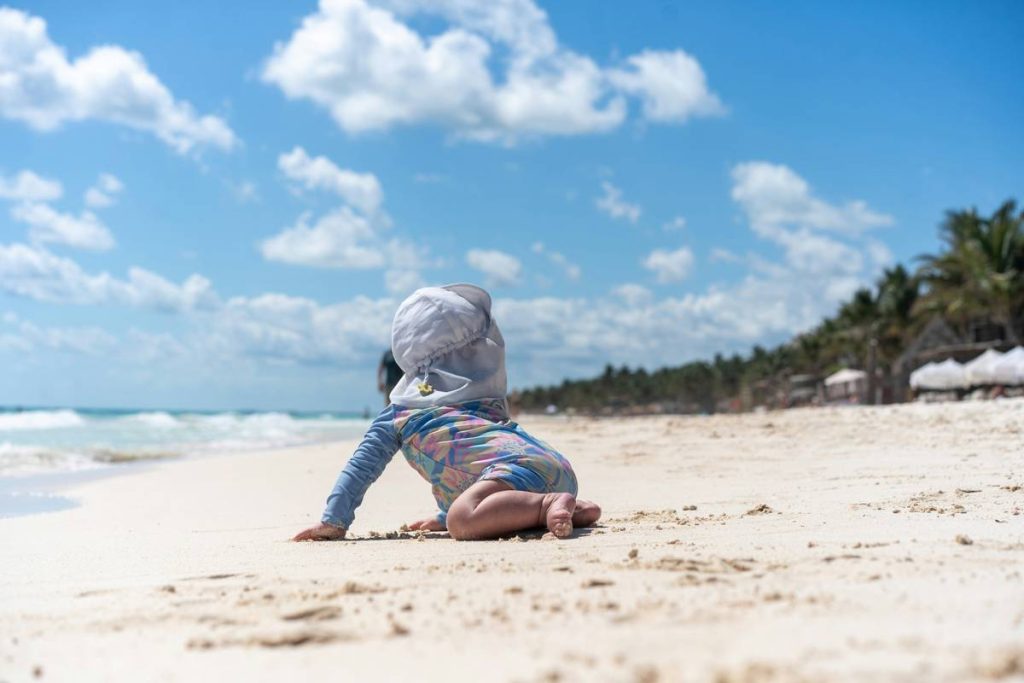
Hats with UPF 50+, lightweight long sleeves, and shade structures beat any topical solution. Keep newborns fully covered before considering lotions.
Choose the Right Formula (Not Just “Mineral”)
Look for non-nano zinc oxide as the sole active ingredient. Nano particles may penetrate immature skin. Avoid anything labeled “fragrance,” “parfum,” or “essential oils”—even natural scents irritate baby skin.
Apply Only Where Absolutely Necessary
Focus on high-exposure zones: nose, cheeks, ears, shoulders. Skip the torso if they’re wearing a rash guard. Less product = lower risk.

| Approach | Best For Age | Safety Rating | Effectiveness |
|---|---|---|---|
| UPF clothing + shade | 0–6 months | ★★★★★ | High (blocks 98% UV) |
| Non-nano zinc oxide sunscreen | 6+ months | ★★★★☆ | High (if reapplied every 80 mins) |
| Chemical sunscreen (oxybenzone-based) | Never recommended | ★☆☆☆☆ | Moderate (but high absorption risk) |
Test Before Full Application
Dab a pea-sized amount on your baby’s inner forearm. Wait 24 hours. Redness, bumps, or itching? Discard the product—even if it’s “dermatologist-tested.”

The Industry Secret: Most “Baby” Sunscreens Are Marketing Theater
Here’s what brands won’t admit: “Dermatologist-tested” often means tested on adults—not infants. And “pediatrician-recommended” might stem from a single doctor paid as a brand ambassador. The FDA doesn’t require separate safety trials for baby skincare. Zero. Zip. Nada.
Think about it: if a formula passes adult safety thresholds, it gets stamped “safe for kids” by default. But baby metabolism processes chemicals differently. One 2023 study found concerning blood concentrations of avobenzone in toddlers after just two applications. Yet the product remains on shelves labeled “gentle.”
The math is simple: regulation lags behind science. Your job? Become a label detective. Demand full ingredient transparency—not cute packaging.
Frequently Asked Questions
Can babies under 6 months use sunscreen?
Generally no—but if shade and clothing aren’t possible, a small amount of non-nano zinc oxide on exposed areas is safer than sunburn.
What’s the safest sunscreen ingredient for babies?
Non-nano zinc oxide. It sits on top of the skin, blocks UVA/UVB, and isn’t absorbed like chemical filters.
How often should I reapply sunscreen on my baby?
Every 80 minutes in water or sweat. Even “water-resistant” claims expire fast on wiggly, drooly infants.